Top 1 Best Non-Toxic Food Storage Containers
1 product independently rated for safety, effectiveness, and value, ranked and reviewed by PollutionProfile.
Plastic food containers leach BPA, phthalates, and microplastics into food, and the risk increases dramatically with heat. We rated 6 of the best non-toxic food storage solutions in glass, stainless steel, silicone, and beeswax on material safety, seal quality, and long-term durability. Switch once, eat safer for life.
10-Year Health Impact
Every time you heat food in plastic, you're adding a dose of endocrine disruptors to your meal.
estimated life gained
in health value
Exposure, primary risk & chemicals modeled
Primary risk
BPA and BPS leaching from plastic containers, phthalates in flexible plastics, microplastics
Glass, stainless steel, and food-grade silicone containers eliminate plastic leaching and microplastic contamination entirely.
Chemicals addressed
- Bisphenol A (BPA) from polycarbonate containers
- BPS and BPF ("BPA-free" substitutes with similar effects)
- Phthalates from flexible plastic containers
- Microplastics (shed into food during storage/heating)
- Styrene from polystyrene containers
Health outcomes
- Reduced endocrine disruptor dietary exposure
- Lower hormone disruption (estrogen mimicry)
- Reduced reproductive toxicant body burden
- Fewer microplastics ingested
The math, step by step
Study Benchmark
BPA leaches from polycarbonate at 0.2–0.9 µg/kg food at room temperature; 55× higher when heated
Biles et al. (J Agric Food Chem 1997); BPA found in >95% of US adults; EPA "low-dose" effects at ppb concentrations
Exposure Pathway
BPA + phthalates from food storage + heating → daily dietary endocrine disruptor dose
Even "BPA-free" plastics leach BPS and BPF with similar endocrine disrupting properties (reviewed in EHP 2013)
10-Year Calculation
BPA + substitute bisphenols + phthalate dietary exposure reduction over 10 yrs ≈ 12 life-days
Intermittent heat accelerates leaching; central estimate vs. upper-bound
Economic Value
12 days × $411/day = $4,900
EPA VSLY methodology; $411/life-day
How we score this category
Effectiveness
Leak-resistance, seal quality, temperature range (freezer to microwave-safe where applicable), and lid durability. Glass and stainless scored on chip/rust resistance.
Safety
Any plastic container scores zero. Glass, stainless steel grade 18/8 or 18/10, and food-grade platinum silicone only for top marks. Lead-free glazing verified for ceramic.
Affordability
Cost per container normalized to comparable size and durability. Glass and stainless have higher upfront costs but last 10–20 years; plastic typically replaced every 1–3 years.
Certifications
FDA food-contact safe, LFGB (German food-safe standard, higher bar than FDA), Prop 65 compliant, and BPA/BPS/BPF-free verified through independent testing.
Life-days and economic value are population-level estimates based on peer-reviewed epidemiology using EPA Value of Statistical Life Year methodology (~$150K/year). Individual results vary based on baseline exposure, location, and health status. Not medical advice.

Wean Green
Top PickGlass Snack Cubes Set of 4
Rating breakdown
Borosilicate glass, FDA food-safe, BPA-free lid
What we love: Best glass containers for babies and kids. Small cube format perfect for snacks and portioned meals. Glass body is 100% inert; lid is BPA-free polypropylene — avoid heating with lid on.
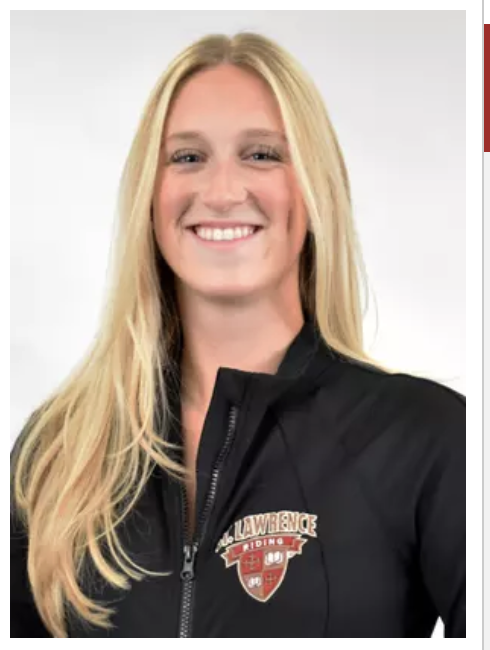
Arianna Lescalleet · PollutionProfile reviewer
Customers say: Customers say that these containers are perfect for their kids and make meal preparation very easy. Mixed reviews on whether the pricing is worth it, some say the quality isn't worth it and others say it is a staple in their houses.
As an Amazon Associate, PollutionProfile earns from qualifying purchases. This does not affect our ratings. Products are scored independently based on safety, effectiveness, and certifications.